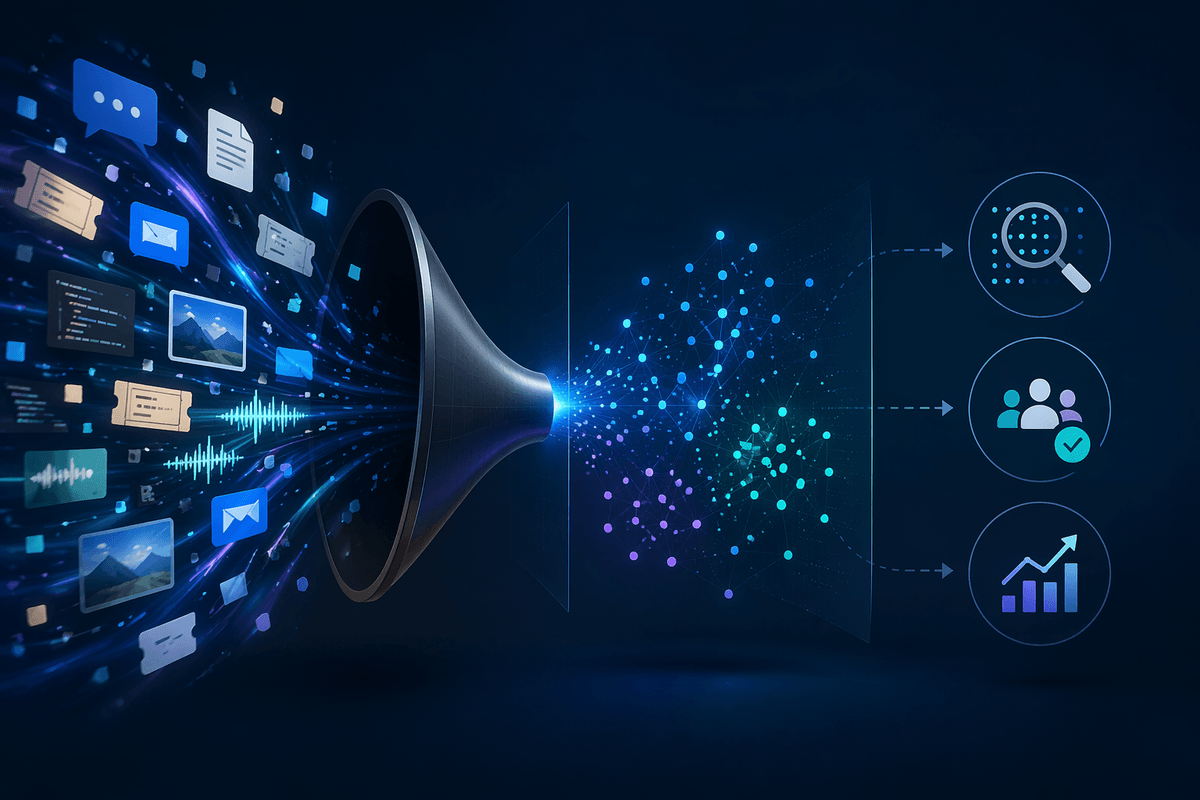
The advent of AI agents has revolutionized customer service, transforming it into an efficient, dynamic, and highly personalized experience. These intelligent systems streamline interactions, reduce response times, and improve customer satisfaction. By combining human expertise with advanced technology, businesses are now equipped to meet growing consumer demands in the golden era of customer service.
The Rise and Evolution of AI Agents:

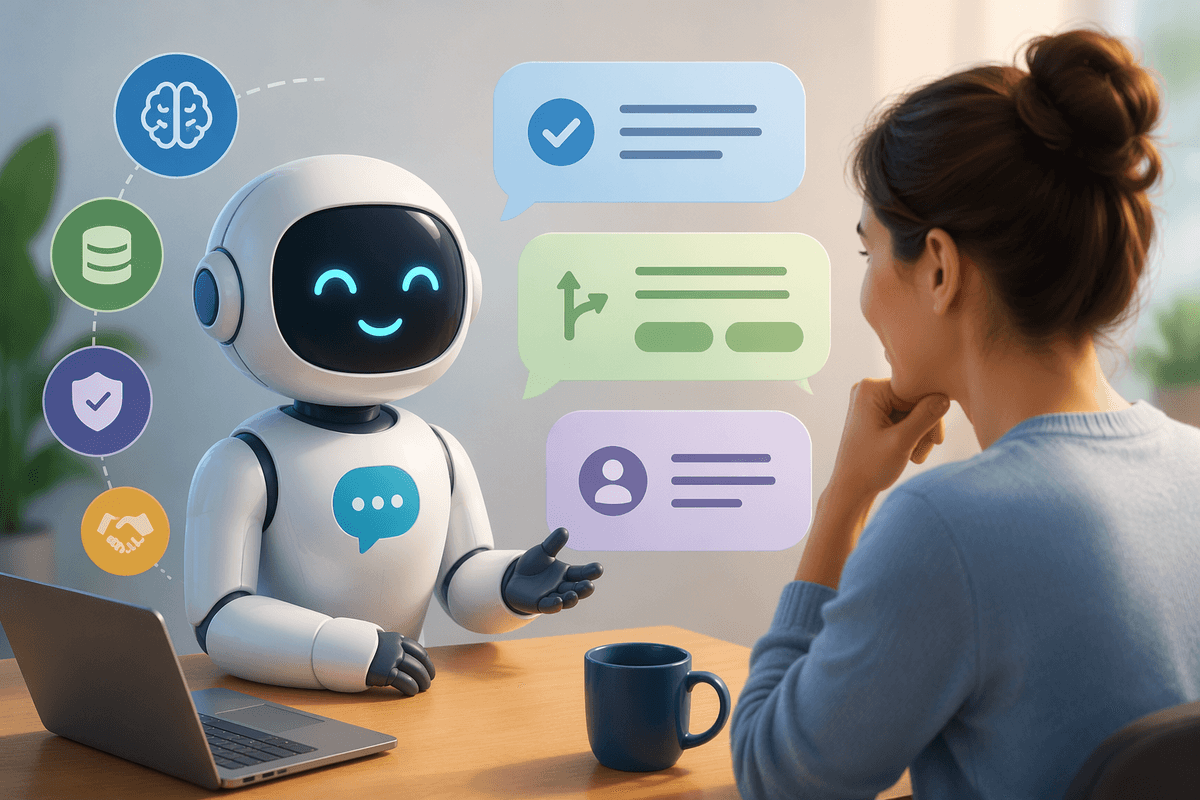
Accomplished by the machine learning algorithm, natural language processing, and conversational intelligence, AI agents are highly complex software programs that can ape human interactions. Since conventional chatbots interpret information in a scripted way, AI agents are dynamic in interpreting all information on context, intent, and sentiment to give accurate, relevant, and personalized management.
Predominantly used as a means of automating simple tasks (e.g., answering frequently asked questions or redirecting requests), the current AI agents can be applied to perform complicated conversations, learn and adapt to previous interactions, and change their behavior in real-time. Consequently, there are more and more businesses utilising them to become closer and cumulatively offering proactive customer service.
Core Technologies Driving Intelligent Customer Service:
Several technologies form the foundation of AI-driven customer service solutions:
1. Natural Language Processing (NLP)
NLP enables AI agents to comprehend and understand human speech used in slang as well as spelling mistakes, and colloquialisms. This helps in free and spontaneous chats, email, and voice communication.
2. Machine Learning (ML)
The ML enables AI agents to enhance their performance on the basis of new data. They become more precise in answering questions, recommend the appropriate source, and provide context-based help in the long run.
3. Sentiment Analysis
Through sentiment analysis, AI can gauge the emotional tone of customer messages—such as frustration or satisfaction—allowing companies to adjust responses or prioritize certain interactions.
4. Integration with Backend Systems
Modern AI agents are connected to Customer Relationship Management (CRM) platforms, order management systems, and knowledge bases to offer real-time, personalized, and data-driven support.
Strategic Benefits of AI Agents in Customer Service:
Incorporating AI into customer service strategies is not just about automation—it’s about unlocking a competitive advantage. Below are key benefits businesses are realizing:
1. Always-On Support
AI agents operate 24/7, ensuring customers receive support whenever they need it, regardless of time zones or holidays. This round-the-clock service model enhances customer satisfaction and global reach.
2. Scalability Without Compromise
Unlike human teams, AI agents can simultaneously handle thousands of conversations without delay. This makes them ideal for scaling support during product launches, sales events, or service outages.
3. Faster Response and Resolution Times
Speed is critical in customer service. AI agents reduce response times to seconds, often resolving inquiries instantly or seamlessly escalating them with relevant context to human agents when needed.
4. Personalized Experiences at Scale
By accessing customer profiles, purchase histories, and preferences, AI agents tailor their responses to each individual, fostering a more engaging and meaningful interaction.
5. Cost Efficiency and ROI
Automating repetitive and high-volume tasks leads to significant cost savings. At the same time, businesses can redirect human agents toward high-impact, high-value interactions.
Practical Applications Across Industries:
AI agents are delivering measurable value across various sectors. Some real-world applications include:
- Retail: Intelligent agents recommend products, manage orders, and provide instant updates on deliveries or returns.
- Banking and Financial Services: Virtual assistants help users check balances, navigate service menus, and receive financial advice.
- Telecommunications: AI agents diagnose technical issues, schedule service appointments, and assist with billing inquiries.
- Travel and Hospitality: Automated agents handle bookings, offer travel recommendations, and resolve itinerary changes.
Each of these applications not only enhances efficiency but also elevates the customer journey by making interactions more responsive and personalized.
The Human-AI Collaboration: Augmentation, Not Replacement
A common misconception is that AI agents are here to replace human customer service teams. In reality, they are designed to work alongside human agents, augmenting their capabilities.
AI as a Co-Pilot: Empowering Human Agents
- Real-Time Suggestions: AI can assist live agents by suggesting answers, helping reduce cognitive load, and improving consistency.
- Case Summarization: Before escalation, AI summarizes customer issues, allowing human agents to resolve cases faster and more effectively.
- Knowledge Enhancement: AI agents pull relevant documents and knowledge base articles to help agents respond accurately, even in unfamiliar scenarios.
This symbiotic relationship enhances overall productivity, reduces burnout, and improves the employee experience while maintaining a high level of customer satisfaction.
Implementing AI in Customer Service: Best Practices:
To derive maximum value from AI agents, businesses must approach implementation with careful planning and a customer-first mindset.
- Define Clear Objectives- Start with well-defined goals, such as reducing ticket resolution time, improving customer satisfaction scores, or deflecting repetitive inquiries.
- Identify High-Impact Use Cases- Begin with simple, high-volume interactions such as password resets or delivery tracking before expanding to more complex services.
- Ensure Seamless System Integration- AI agents should be fully integrated with existing tools—CRMs, ticketing platforms, and databases—to offer consistent and informed responses.
- Monitor, Train, and Improve- AI agents need continuous refinement. Monitor performance metrics, collect feedback, and re-train models to ensure they evolve with customer expectations.
- Maintain Human Escalation Options- Always provide an option for customers to escalate to a human agent. This builds trust and ensures smooth handling of nuanced or sensitive issues.
Challenges and How to Overcome Them:

Adopting AI in customer service is not without its hurdles. Organizations must anticipate and address the following challenges:
- Accuracy and Understanding: Early-stage models may misinterpret queries. Regular training and diverse datasets help improve accuracy.
- Language and Cultural Sensitivity: Multilingual support and regional nuance recognition are essential for global operations.
- Ethical Use and Data Privacy: Organizations must ensure transparent data usage, obtain customer consent, and comply with all relevant privacy regulations.
Overcoming these challenges requires a mix of technical rigor, ethical commitment, and strategic oversight.
Predictive and Proactive AI Agents:
The future of customer service lies in proactive engagement. AI agents will soon be able to:
- Anticipate service issues based on user behavior or device signals.
- Offer preemptive solutions before customers even notice a problem.
- Deliver hyper-personalized experiences using real-time contextual data.
This evolution will redefine the customer experience from one that is reactive to one that is intelligent, predictive, and continuously improving.
Conclusion:
Customer service has entered a transformative era, driven by intelligent, scalable, and deeply personalized AI capabilities. In this Golden Era, the synergy between human empathy and machine efficiency offers the ideal customer experience. Organizations that embrace AI agents with strategic foresight will not only streamline operations but also forge stronger connections with their customers. The key lies in thoughtful integration, ongoing improvement, and a balanced human-AI partnership.