For years, people have spoken to Alexa, thinking their requests were only partially processed online. Simple tasks like setting a timer or adjusting the volume were often limited to the device. That's changing. Amazon will soon send every Alexa voice command—no matter how basic—through its cloud servers.
This shift marks a major transition from mixed processing to full cloud dependence. While it may not sound dramatic, the impact touches on performance, privacy, and control. For users, it raises new questions about how voice assistants work, what data gets shared, and what it means to rely on always-connected devices.
Why Amazon Is Routing All Alexa Requests Through Its Servers?
Previously, Alexa followed a hybrid approach. Tasks like turning on a smart light or playing a song were often handled in the cloud, while simpler commands were processed locally. Amazon is now phasing out this local handling. From now on, every voice command—no matter how minor—will go straight to the company’s servers.
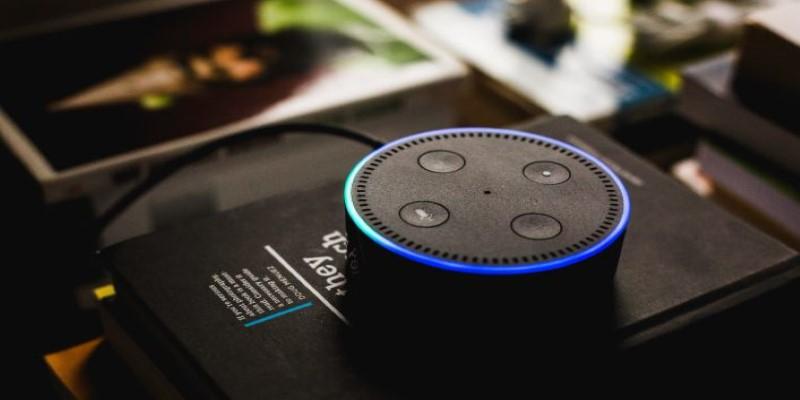
This move gives Amazon more consistency across devices. Cloud processing lets Alexa behave the same way whether it’s on a budget Echo Dot or a high-end smart display. Updates, improvements, and fixes are also easier to roll out in one place, rather than accounting for different hardware limitations.
Another factor is Alexa’s growing complexity. The assistant is handling longer conversations, understanding broader context, and offering more tailored responses. Local chips aren’t powerful enough to keep up with those changes. Processing everything on Amazon’s servers allows for better voice recognition and fewer misunderstandings.
Amazon also wants to improve response quality. With access to more data, Alexa can better understand accents, background noise, or vague commands. It can draw on past interactions or synced devices to make responses more relevant. These upgrades depend on cloud access. While the move is mostly technical, it has practical effects for users and shifts more control into Amazon’s hands.
What It Means for Privacy and User Trust?
Routing all voice data to the cloud naturally raises concerns about privacy. When a device handles things locally, the data never leaves your home. Now, even the simplest voice command gets uploaded to Amazon’s servers, which may make some users uneasy.
Amazon says Alexa only starts recording after hearing the wake word, but now that all interactions go to the cloud, there's a wider stream of information being collected. While users can review and delete their recordings, the default setting is to retain them.
For privacy-conscious people, this change matters. It means a broader set of interactions could be stored and analyzed. Families with young kids, or people who live with roommates, may worry about unintended recordings or misunderstandings being logged.
There’s also the issue of control. Amazon’s privacy settings are available but buried. Deleting data requires either voice commands or navigating through app menus—not something everyone will do regularly.
While Amazon says the data helps improve Alexa’s accuracy, not everyone agrees that performance improvements justify giving up more information. The change makes it harder for users to opt out of full cloud involvement without giving up Alexa entirely.
Technical and Practical Implications for Users
Most Alexa users won’t notice much change in day-to-day use. Timers, alarms, smart home controls, and weather updates will still work as expected. In some cases, responses might be faster or more accurate because cloud processing allows for smarter interpretation of commands.

But this also means Alexa is now dependent on a stable internet connection. If your Wi-Fi drops or your router fails, Alexa won’t be able to do much. Previously, some Echo devices could still manage basic functions offline. Now, those fallbacks are disappearing.
This creates a challenge in areas with unreliable internet. In rural or older buildings with poor connections, the voice assistant could become less reliable.
Device makers and developers may need to adjust to this change. For example, third-party Alexa skills that once relied on some local support might require updates to remain compatible with Amazon’s server-first setup.
There’s also a broader system load to consider. Sending all voice traffic to Amazon increases demand on their infrastructure. While Amazon is equipped to handle it, there could be brief delays during high-traffic periods or outages.
Another concern is the lack of user awareness. Amazon hasn’t highlighted this change in a major public way. Many people may not realize that Alexa is now cloud-only for voice processing, which could lead to feelings of surprise or mistrust if they discover it later.
The Broader Trend in Voice Technology
Amazon’s shift isn’t happening in isolation. Google and Apple both use cloud-based processing for their assistants, though Apple puts more focus on on-device privacy. Across the industry, there’s a clear move toward centralizing voice assistant functions.
As voice assistants evolve, they're expected to handle more complex tasks—booking appointments, managing calendars, and integrating with shopping and banking. All of that requires faster processing and smarter AI, which typically lives in the cloud.
But centralization brings trade-offs. Users give up a degree of privacy and local control for better accuracy and more features. Some people are comfortable with this, while others are not. As assistants become more capable, the expectations and concerns around them grow, too.
This shift may help Amazon position Alexa as a more advanced service in the long run. But it also puts pressure on the company to be clearer about data practices and to give users more control over what’s collected and stored.
Conclusion
Amazon’s decision to route all Alexa voice requests through its servers marks a new chapter in how smart assistants work. It brings some benefits—like more consistent performance and better AI—but it also means every interaction is stored and processed remotely. For users who value privacy or live with shaky internet, this could make Alexa feel less reliable or more intrusive. As cloud processing becomes the new standard, users are left weighing convenience against privacy. While many will accept the trade-off, others may feel that this always-connected model takes more than it gives. And in that balance, trust becomes the real test.