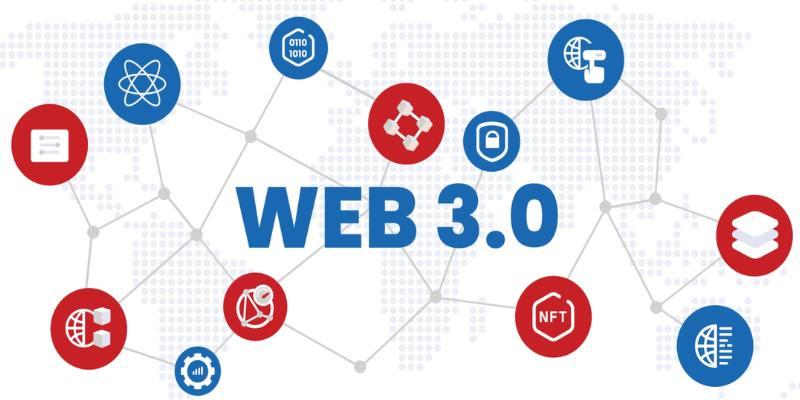
The evolution of the internet is unfolding rapidly, and Web 3.0 stands at the center of this digital revolution. Unlike its predecessors, Web 3.0 offers a decentralized, user-driven, and intelligent web experience built on blockchain and smart contracts. In 2025, it's not just a buzzword—it's reshaping how we connect, share, transact, and trust online.
This new internet era brings unmatched transparency, ownership, and security for users, developers, and creators. Whether you're a business owner, digital consumer, or tech enthusiast, understanding Web 3.0 can give you a significant edge in the digital economy. In this article, we explore the seven best real-world use cases and benefits of Web 3.0 and discover how they're transforming our digital lives.
What Is Web 3.0?
Web 3.0—often referred to as the Semantic Web or Decentralized Web—represents the next generation of internet architecture. It shifts control from centralized platforms to users, enabling direct peer-to-peer interactions, enhanced data ownership, and intelligent applications powered by AI and blockchain technologies.
Key Benefits of Web 3.0:
Before diving into use cases, let's explore the most significant benefits of Web 3.0.
- Greater Data Ownership: Users manage their digital identity and data through encrypted, self-controlled profiles, minimizing their reliance on corporate data silos.
- Censorship Resistance: Content stored across decentralized nodes cannot be easily removed or manipulated by governments or big tech platforms.
- Secure Digital Identity: A unified and verifiable identity framework increases privacy and simplifies online verification.
- Improved Transparency: Blockchain ensures that all activities—whether financial transactions or data exchanges—are publicly auditable and traceable.
Best Use Cases of Web 3.0 in 2025:
- Decentralized Finance (DeFi):
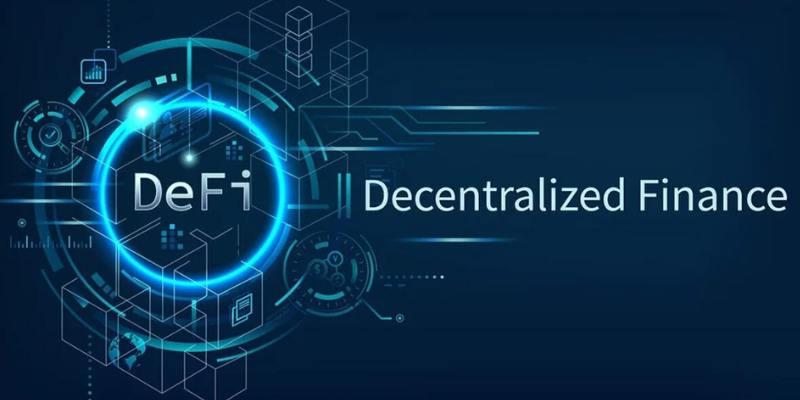
Decentralized Finance (DeFi) eliminates the need for traditional banks by offering financial services through blockchain-based platforms. Users can lend, borrow, trade, and earn interest on digital assets without relying on a centralized authority or approval processes.
These financial systems are governed by smart contracts that automatically execute transactions based on pre-defined rules. DeFi operates 24/7, offering global access to anyone with a crypto wallet. The ecosystem is designed to be transparent, secure, and accessible, even to the unbanked populations.
Benefit: DeFi offers open, borderless, and permissionless access to financial services, reducing costs and enhancing user control.
- Self-Sovereign Digital Identity:
Self-sovereign identity systems shift ownership of digital identity from corporations to individuals. With Web 3.0, users no longer need to provide sensitive personal data repeatedly to access services. Instead, they use blockchain-secured credentials that verify their identity without disclosing more information than necessary.
These identities are portable across platforms, verifiable without intermediaries, and fully encrypted to prevent misuse or unauthorized access. This represents a significant step forward in privacy and security for internet users.
Benefit: Self-sovereign identity enhances online security and privacy by giving individuals total control over their personal data and identity verification.
- Creator-Centric Economies:
Web 3.0 introduces a creator-first digital economy where artists, musicians, writers, and other creators can earn directly from their audience without relying on intermediaries like record labels or social media platforms. Blockchain enables creators to mint NFTs, prove ownership, and receive royalties automatically every time their work is resold.
This model not only ensures long-term income but also allows creators to maintain control over their content and distribution. It represents a fundamental shift in how creative value is monetized online.
Benefit: Web 3.0 grants creators’ full ownership of their content, more equitable earnings, and lasting royalties for their digital works.
- Decentralized Social Media:
Decentralized social media platforms remove control from corporations and return power to users. In these networks, individuals own their content, control their data, and decide how their online presence is monetized. Unlike traditional platforms, there is no algorithmic censorship or data harvesting by third parties.
Communities moderate content democratically, and advertising is either optional or user-rewarded. This results in greater freedom of expression, less manipulation, and a sense of actual digital ownership.
Benefit: Users gain freedom of speech, ownership of personal data, and the ability to monetize their social presence without relying on centralized platforms.
- Smart Supply Chains:
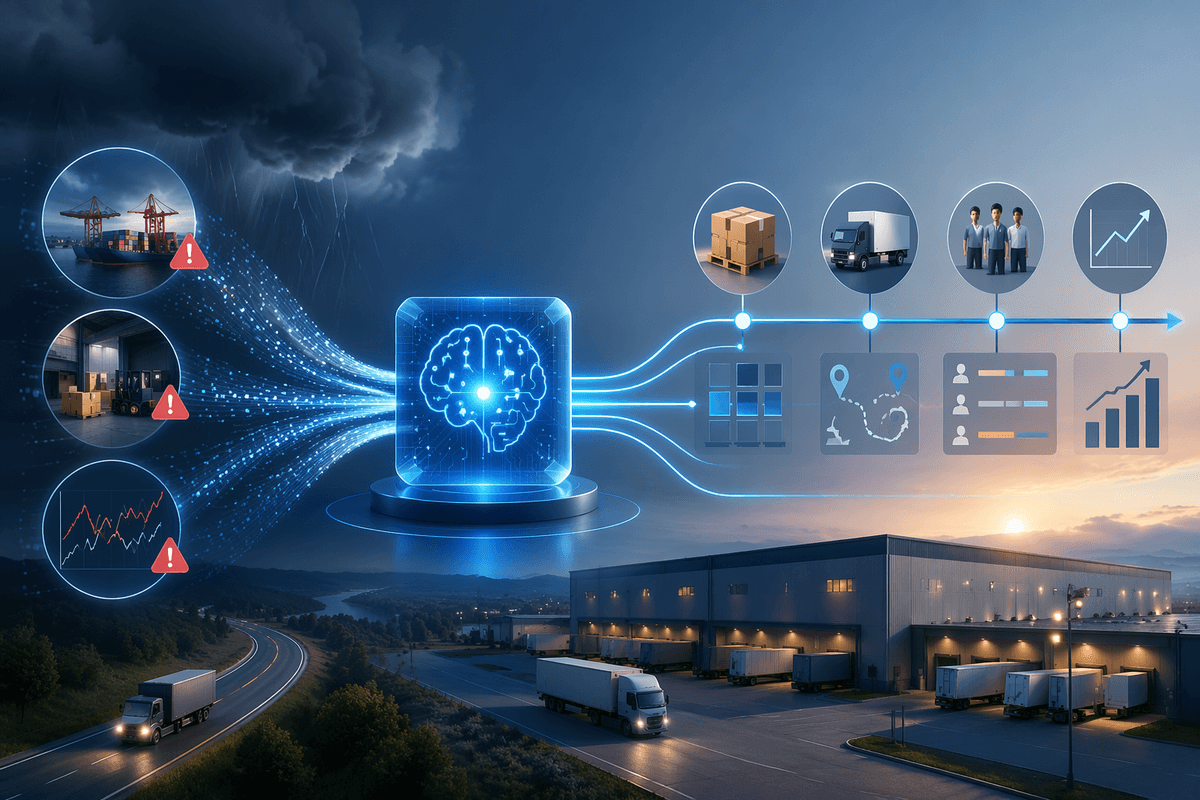
Web 3.0 enhances supply chain transparency by recording every step of a product's lifecycle on the blockchain. From raw material sourcing to manufacturing and delivery, each transaction and handoff is time-stamped and immutable.
This allows businesses and consumers to trace the origin and journey of goods, verify ethical sourcing, and detect fraud or counterfeiting. Companies that adopt these systems can prove compliance with sustainability goals and build stronger brand trust with their customers.
Benefit: Smart supply chains ensure product authenticity, improve operational transparency, and build consumer trust in ethical and sustainable sourcing.
- Decentralized Autonomous Organizations (DAOs):
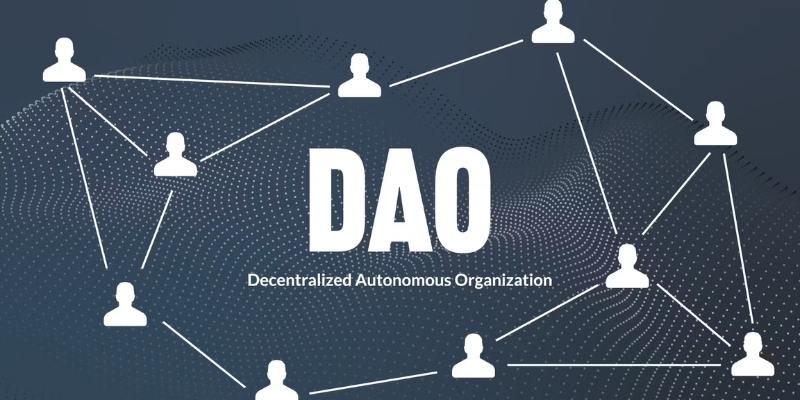
DAOs are a new form of digital governance enabled by Web 3.0, where communities collectively manage organizations without central leadership. All rules and decisions are encoded in smart contracts, and members participate by voting with tokens. Whether it's funding open-source projects, investing in startups, or managing nonprofit initiatives, DAOs offer transparency, inclusivity, and accountability. Every decision is publicly recorded, ensuring that no single person or group has unchecked control.
Benefit: DAOs offer transparent, equitable, and community-led governance, thereby eliminating the need for centralized authority or management.
- Personalized AI-Powered Experiences:
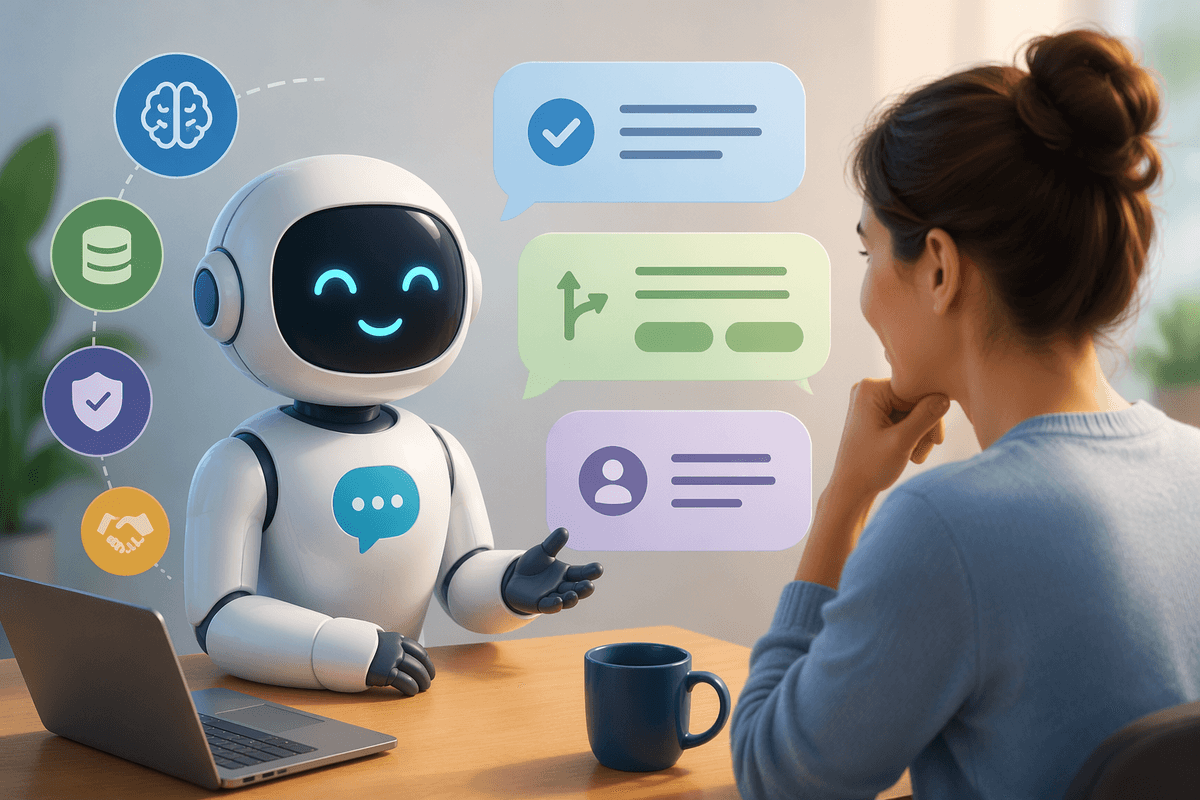
Web 3.0 leverages artificial intelligence alongside decentralized infrastructure to create personalized digital experiences tailored to each individual. Unlike Web 2.0, where personalization often comes at the expense of privacy, Web 3.0 enables context-aware AI that operates without requiring the harvesting of user data.
Whether through intelligent assistants, semantic search, or adaptive interfaces, users receive relevant, real-time information while keeping complete control of their digital footprint. Its personalization done ethically and intelligently.
Benefit: Users enjoy intuitive, privacy-conscious personalization that enhances digital interactions without compromising control over their data.
The Future of Web 3.0 in 2025 and Beyond:
Web 3.0 is already proving more than just a vision—it's becoming an infrastructure. By 2025, we can expect:
- Widespread use of decentralized digital IDs and wallets for secure authentication.
- Governments are using blockchain for transparent public records and elections.
- Creators launching their tokens to build independent economies:
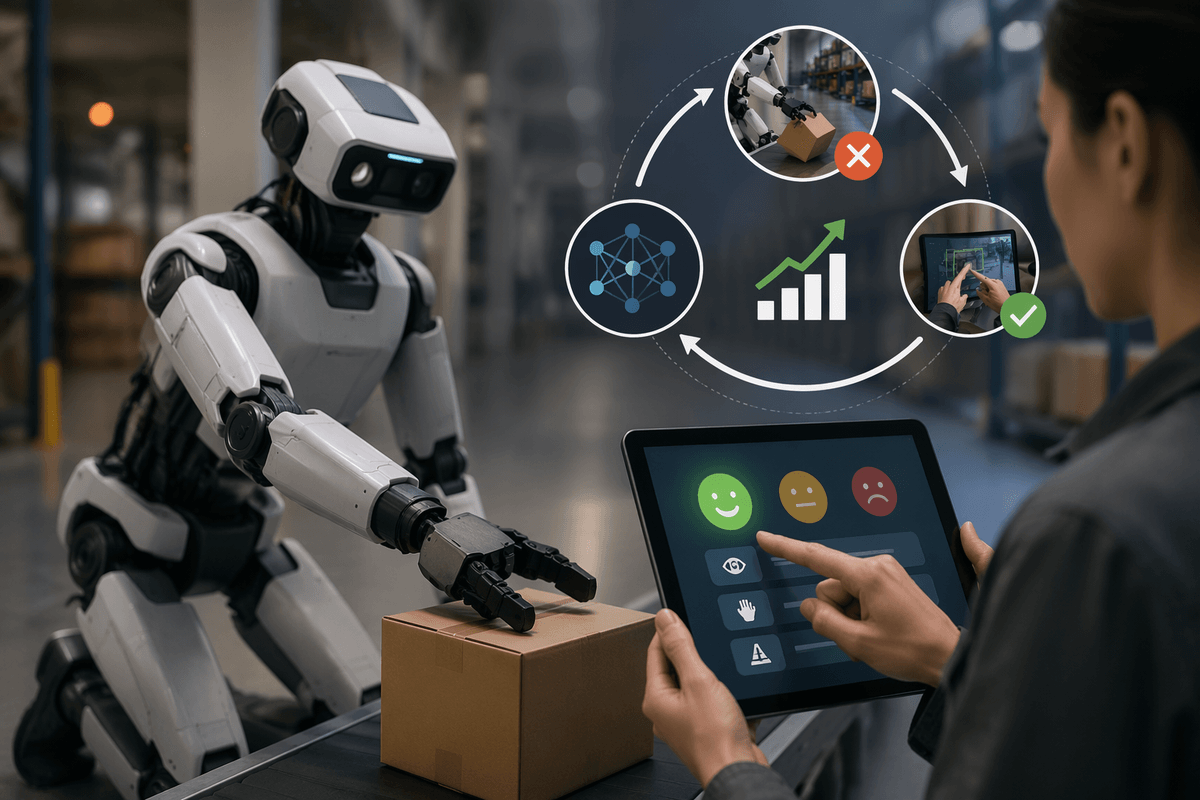
- AI-powered agents are embedded in browsers and apps to assist users in real time.
- Gaming, education, healthcare, and logistics are integrating decentralized frameworks.
Conclusion
Web 3.0 isn't just a technical upgrade—it's a paradigm shift toward digital empowerment. Its decentralized nature fosters privacy, creativity, financial freedom, and more intelligent digital interactions. From secure identities and creator rewards to innovative apps and supply chains, the use cases are broad and impactful.
Whether you're a startup founder, content creator, developer, or tech-savvy user, now is the time to adapt and explore the opportunities that Web 3.0 offers. Be proactive, stay informed, and shape your role in this transformative digital evolution.