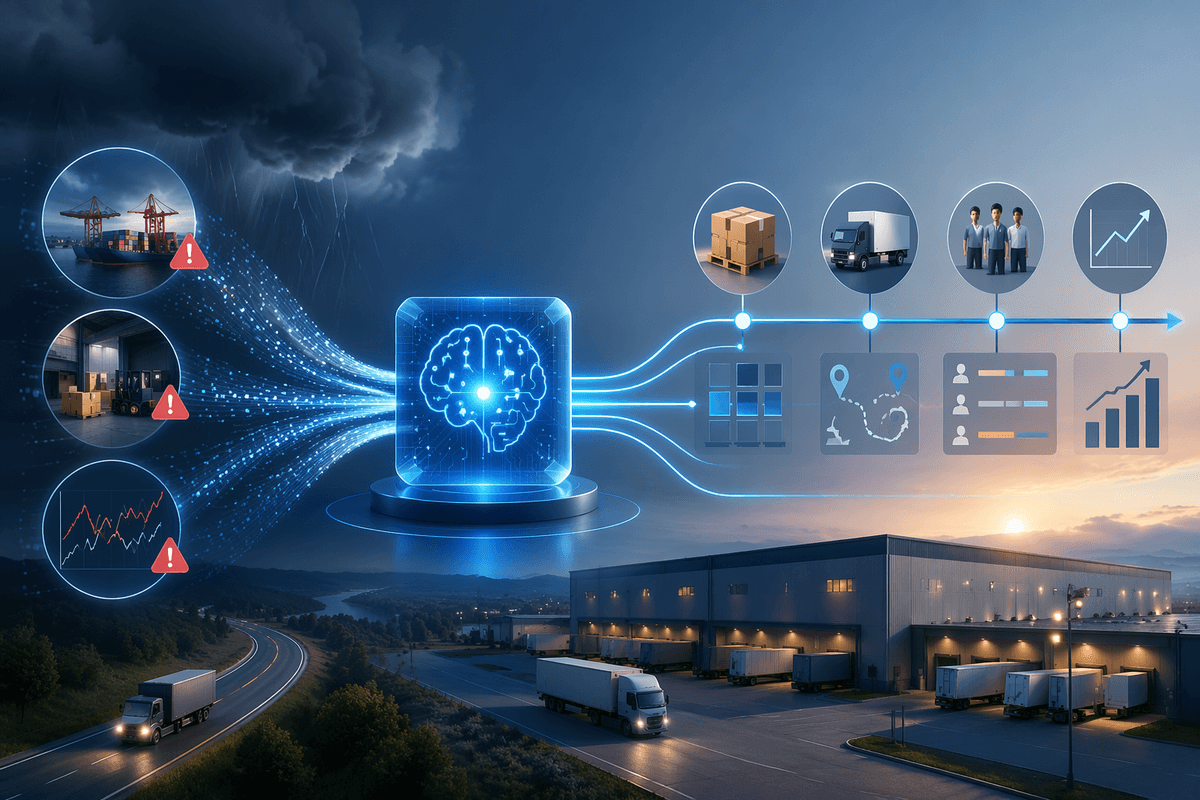
Businesses produce massive data in all the phases of value chain suppliers to customers. Data science opens this possibility and turns traditional processes into smart, predictive systems. With the help of data science, organizations will be able to optimize procurement, production and marketing and therefore predict problems, find out opportunities and make better-informed decisions based on the data, that will add value and competitive advantage in the long term.
Understanding the Value Chain in Data Science Context
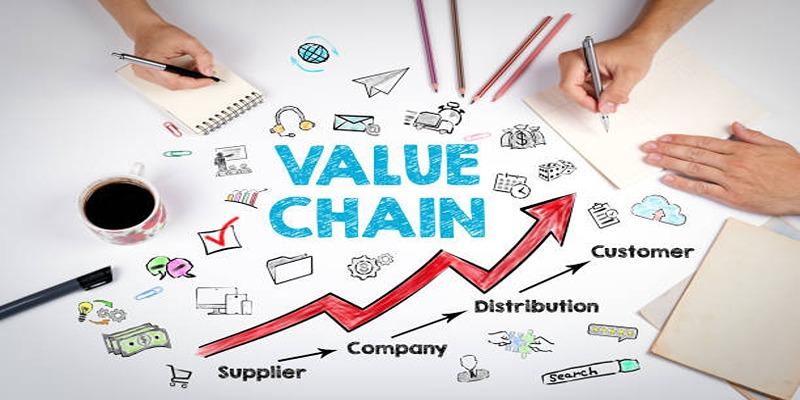
The value chain is all activities that will add value to the customers starting with a raw material sourcing to delivery of the final products. The initial model of value chain by Michael Porter incorporated the core activities such as inbound logistics, operations, outbound logistics, marketing, and service and was backed by infrastructure, human resources, technology, and procurement.
Each of these elements can be improved through data science by offering the ability to analyze data and determine results, forecast future results and even streamline processes. Organizations are no longer able to make decisions intuitively or on historical experience; however, detailed data analysis and predictive modelling are now available.
This type of analysis makes the static processes dynamic systems that are responsive to the variations in the condition and customer tastes, and the market needs. It allows companies to detect transmission points before they affect the operations, anticipate maintenance requirements before the machinery parts and to keep the production process updated on the changing demand forecast.
Optimizing Procurement Through Predictive Analytics
Procurement represents one of the most significant opportunities for data science transformation. Conventional procurement is based on the past of how business purchases are consumed and the relationship with suppliers, however, with the development of data science, it becomes possible to analyze the supplier performance, market trends, and demand trends in a complex way.
Supplier Risk Assessment
Supplier Risk Assessment is a machine learning tool that considers supplier reliability by evaluating the factors such as delivery performance, quality measures, financial stability and geopolitical risks. The analysis assists the procurement departments to make wise decisions concerning supplier selection as well as come up with contingency strategies in case of disruption.
Demand Forecasting
Demand Forecasting is an approach that uses past history of sales, market trends and external influences in an attempt to forecast future material needs. The higher order algorithms are able to consider seasonality, promotional effects, and economic variables to offer a more precise forecast compared to the conventional ones.
Price Optimization
Price Optimization examines the market conditions, supplier price as well as internal demand to determine the best-buying situations and quantities. The model of data science can facilitate price changes and propose strategic buying options that are cost-effective and offer sufficient inventory levels.
Revolutionizing Production and Operations
Data science has enormous applications in manufacturing and operations, enhancing efficiency, quality, as well as the use of resources. The present-day production plants produce data streams (sensors, machines and quality control) on a regular basis.
Predictive Maintenance
One of the most influential uses includes Predictive Maintenance. When trained on sensor data, equipment performance patterns, and maintenance histories, machine learning models will be able to make early predictions on when equipment is prone to breaking down. This strategy will minimize any untedious lost time, enhance the service life of equipment and optimization of maintenance.
Quality Control
Quality Control systems are based on the computer vision and statistical analysis of detecting defects during the first stage of the production process. Timely monitoring of quality would be able to recognize tendencies that may lead to quality problems before they cause defective products and minimize waste and enhance consumer satisfaction.
Production Optimization
Production Optimization Algorithms run on data that is extracted about production to find bottlenecks, optimize production and distribution of workloads among various production lines. Such systems have the capability of varying the production parameters real-time depending on the demand fluctuations, material availability and equipment performance.
Transforming Logistics and Distribution

There is huge volume of data created by logistics operations concerning transportation, warehousing, and inventory. Data science will translate this information into insights that can be exploited to enhance performance in delivery and cut down costs.
Route Optimization
The Route Optimization applies algorithms that involve various parameters such as patterns of traffic, delivery schedules, the size and capacity of a vehicle, and the fuel expenses to find out the most efficient delivery routes. The more sophisticated systems have the ability to change routes dynamically according to the changing circumstances.
Inventory Management
Inventory Management involves the use of statistical models and machine learning in order to optimize inventory in various locations. These systems strike the right balance between carrying costs and service level so that there are adequate inventory levels and minimal levels of waste through the obsolete or unnecessary stock.
Warehouse Optimization
Warehouse Optimization uses a pattern of picking and a place of storing as well as data in the warehouse as an analysis of the workflow to improve the warehouse layout and operations. Data science will open a possibility to decrease the time spent in picking, increase the efficiency of using the storage space, and enhance the efficiency of the whole warehouse.
Enhancing Customer Experience and Marketing
Applications of data science in assisting in customer-facing activities can enhance customer experiences and offer better customer services. The richness of customer interaction data offers the chance to comprehend the preferences, anticipate the behavior, and maximize the touchpoints.
Personalization Engines
Personalization Engines Gather customer behavior and purchase history and preferences and uses them to offer custom product suggestions and marketing messages. These systems will be able to adjust immediately the behavior of customers will change and enhance the engagement and conversion rates.
Customer Service Optimization
Customer Service optimization employs the natural language processing to study the communication with customers, discovering the recurring problems, and streamlining the support processes. Predictive models have the ability to forecast customer needs and act in advance to deal with any issue.
Market Segmentation
Market Segmentation uses clustering algorithms and statistical analytics to define unique segments of customers using behavior, demographics and preferences. This segment will facilitate smaller, more specific marketing initiatives and product creation.
Implementing Data Science in Your Value Chain
Successfully implementing data science across value chain processes requires careful planning and execution. Organizations must consider data infrastructure, analytical capabilities, and change management requirements.
Data Infrastructure
Any data science project is based on Data Infrastructure. Companies must have powerful information gathering, warehousing, and analytics for the entirety of their value chain. This infrastructure should be scalable, secure and one that is capable of supporting real time information streams.
Analytical Capabilities
Analytical Capabilities demand technical equipment as well as expertise. Organizations are required to invest in analytics systems, machine learning applications, and data visualization systems and develop teams with the required technical skills.
Change Management
Change Management will help to make sure that the insights of data science are translated into improvements in its operation. These include staff training, process upkeep and the development of governance systems that aid decision-making that is based on data.
Measuring Success and Continuous Improvement
Data science transformation requires ongoing measurement and refinement to achieve sustainable results. Organizations should establish key performance indicators that track both technical performance and business outcomes.
Technical Metrics
Technical Metrics include model accuracy, data quality, and system performance indicators that ensure analytical systems function properly. These metrics help identify when models need retraining or when data quality issues require attention.
Business Outcomes
Business Outcomes measure the actual impact of data science initiatives on value chain performance. Relevant metrics might include cost reductions, efficiency improvements, quality enhancements, and customer satisfaction scores.
Conclusion
Data science alters value chains to provide competitive advantages in terms of increased efficiency and better decisions. A systematic approach is required to achieve success: It is necessary to consider the technical need, organizational competencies, and change management. Begin with meaningful use cases, establish a strong data infrastructure and establish a data driven culture. Seize the moment of the game-changing power of data science.